
About Warifu
A payment request can lie.
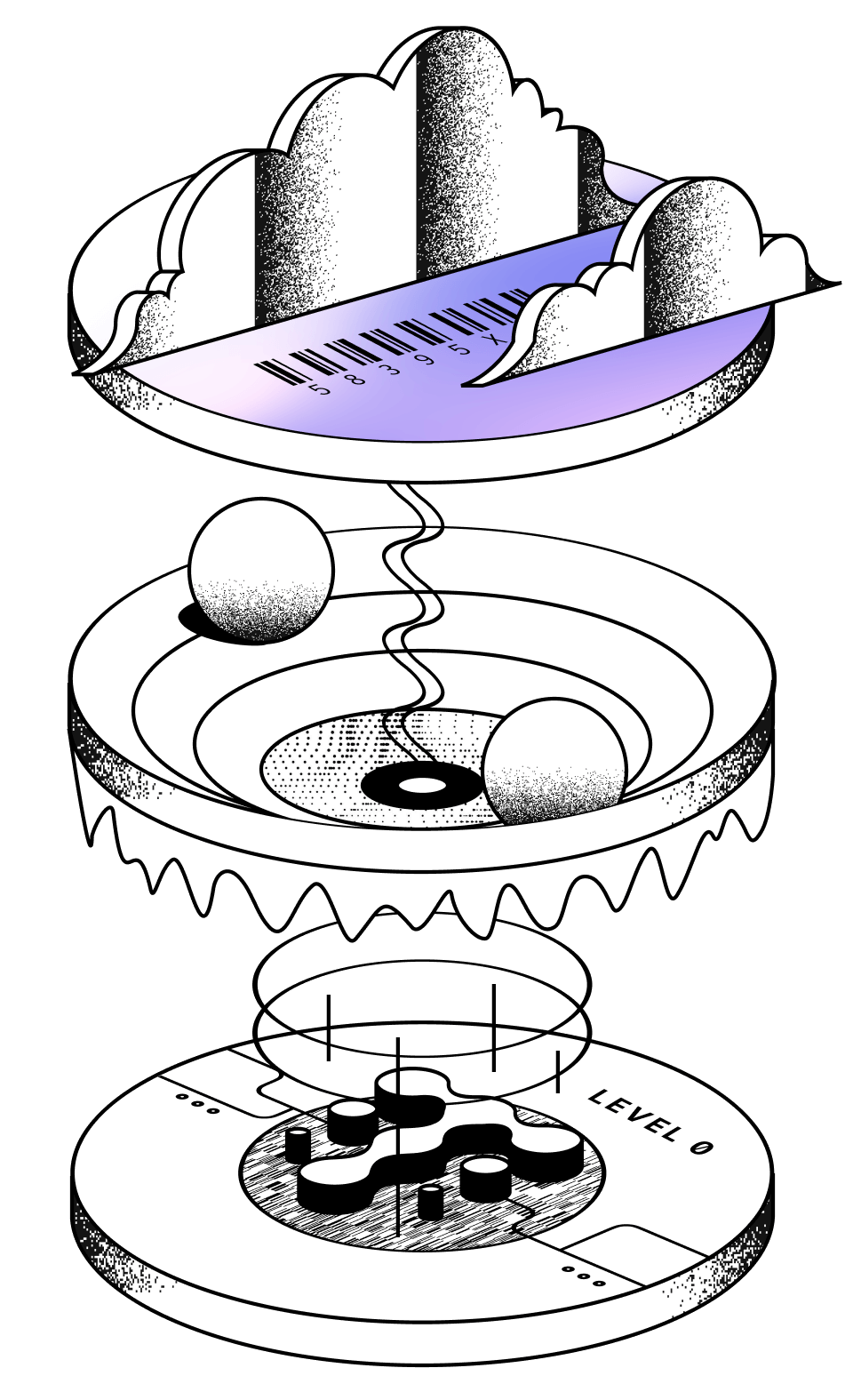
An invoice is untrusted input, even when it looks ordinary. A changed payout address, a duplicate retry, a decimal error or hidden instructions can turn a routine request into an attack.
Extraction turns the invoice into candidate fields, not verified facts. The agreement and independently gathered evidence establish whether the request is authorized.
Warifu is a treasury control layer for agent-driven USDC payments on Arc. Each decision is reason-coded and can be checked afterward.
Models will make mistakes. Warifu makes them visible, bounds their impact under stated assumptions, and lets anyone check the result or try to break it.
The Control Layer
A signed agreement stays in charge.
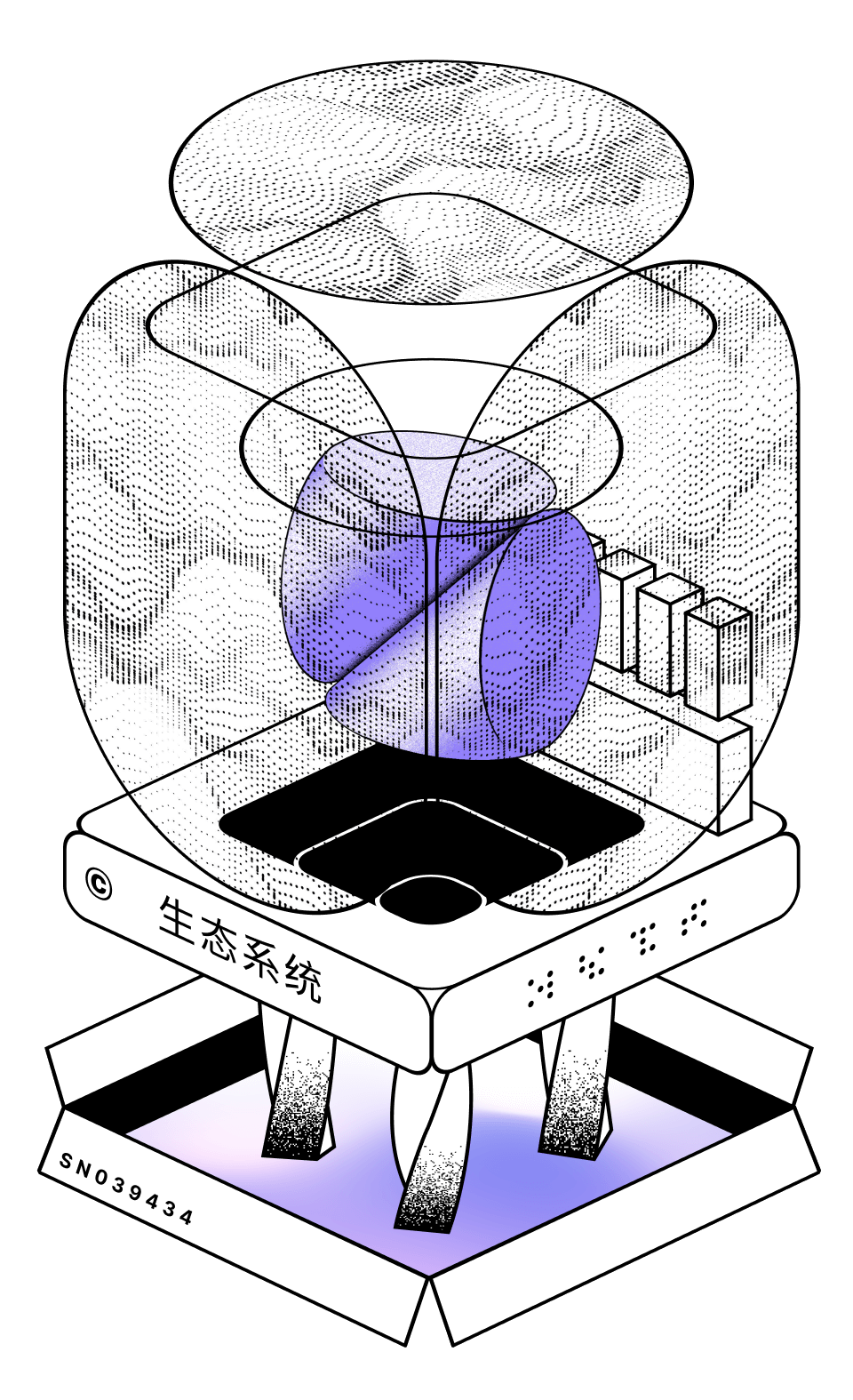
Before an invoice arrives, the owner and payee co-sign an engagement. It fixes the authorized address, budget cap, milestones, evidence requirements and payment window.
Invoice extraction cannot rewrite those terms. Evidence is collected separately, and the kernel compares the proposed payment with the agreement and current policy.
If owner approval is needed, the signing screen shows the actual recipient and amount. The scheduler then rechecks fresh context before the vault accepts an attestation.
Every limit is an explicit rule, not a model suggestion.


The name: Warifu (割符)
A warifu (pronounced “wah-ree-foo”) is a split tally: a token broken in two so that only the two matching halves prove the agreement. In medieval Japan the same device was used as a merchant's bill of exchange. The idea is the same as the Greek symbolon: a payment proposal and a signed engagement either fit or they do not. When they do not fit, nothing is released.
Warifu (formerly Symbolon). Package names, spec identifiers and the signing domain keep their original names so existing signatures and test vectors stay valid.